


Looking for a concrete contractor in Troy, MI? We replace and install driveways, stamped patios, sidewalks, driveway approaches, steps, garage floors and commercial flatwork across Troy and the nearby Oakland and Macomb County cities. Every exterior pour uses air-entrained concrete, a compacted base and planned control joints, because the Detroit area sees dozens of freeze-thaw swings each winter. Call (248) 453-1088 or send the estimate form, and we will talk through repair versus replacement, permits and timing before anything gets scheduled.
Concrete work we handle in Troy
Many calls start with one tired slab and turn into a short list: a sunken driveway panel, a flaking stoop, a green-marked sidewalk flag. We can quote those together so the crew mobilizes once. Here is what we pour:
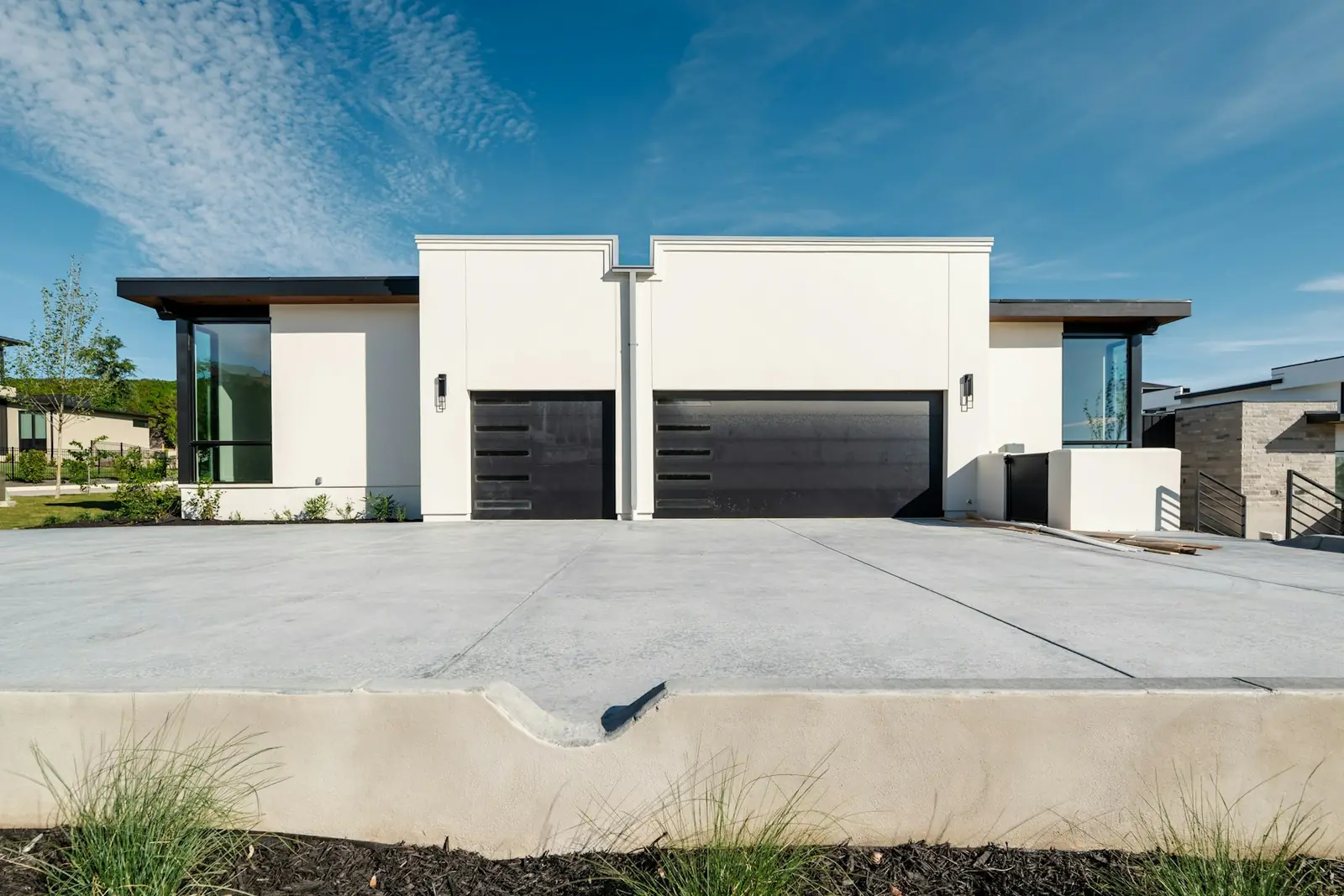
- Concrete driveways: full tear-out and replacement, widening, new two- and three-car drives, and the apron where the drive meets the street.
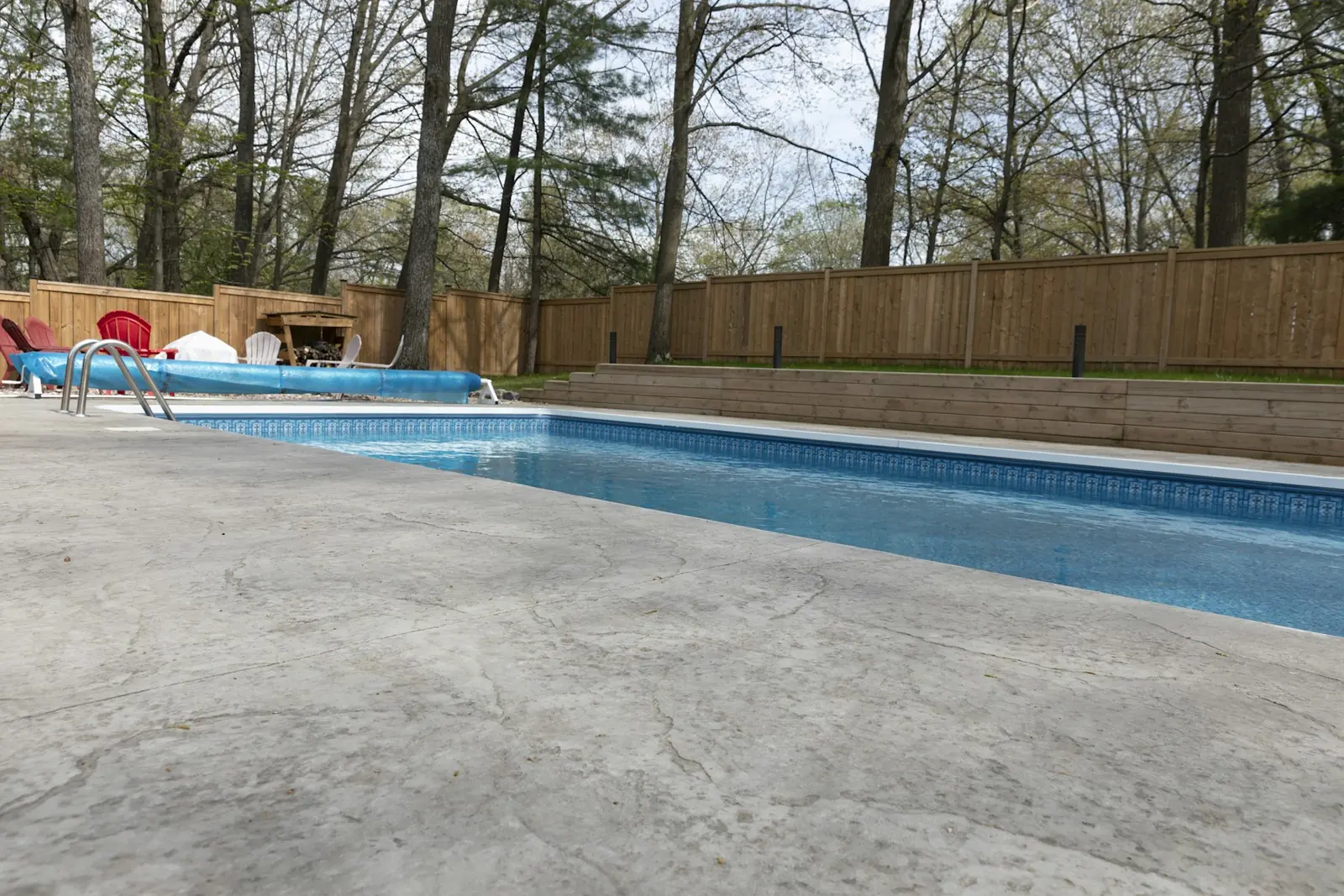
- Stamped concrete: ashlar slate, wood plank, cobble and border patterns with integral color and a sealer suited to winter salt.
- Concrete patios: new backyard patios, extensions off an existing slab, and replacements for heaved or settled pads.
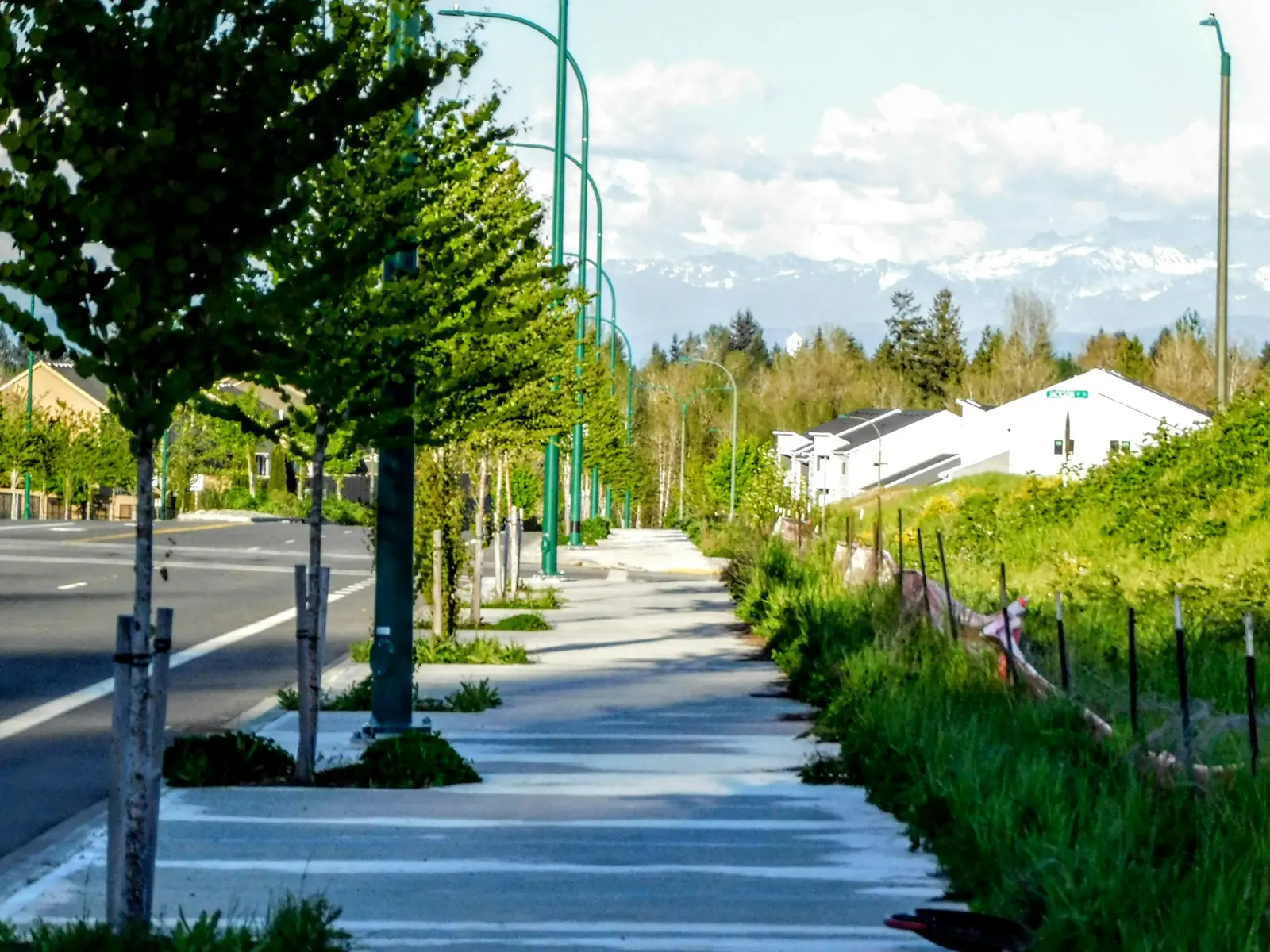
- Sidewalks, walkways and approaches: front walks, side-yard paths, green-marked city sidewalk flags and permitted driveway approaches.
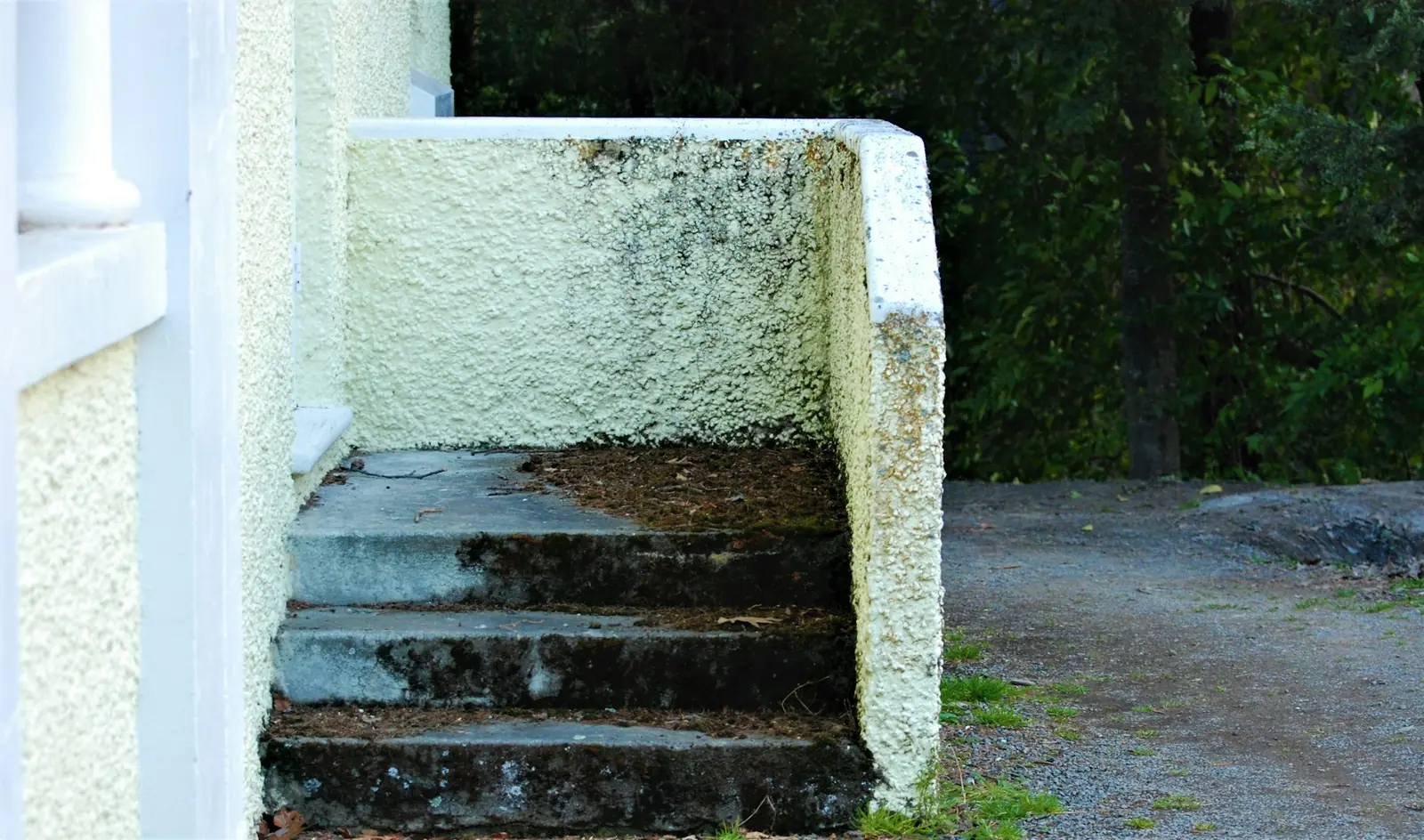
- Concrete steps and porches: crumbling stoops, settled steps and new porch slabs with proper rise and run.
- Garage floors and slabs: cracked or heaved garage floors, shed pads, hot tub pads and aprons.
- Concrete repair and leveling: an honest call on whether a slab can be lifted or patched, or needs to come out.
- Commercial concrete: sidewalks, ADA ramps, dumpster pads, curbs and parking-area flatwork for offices and retail.
Built for freeze-thaw winters in Oakland County
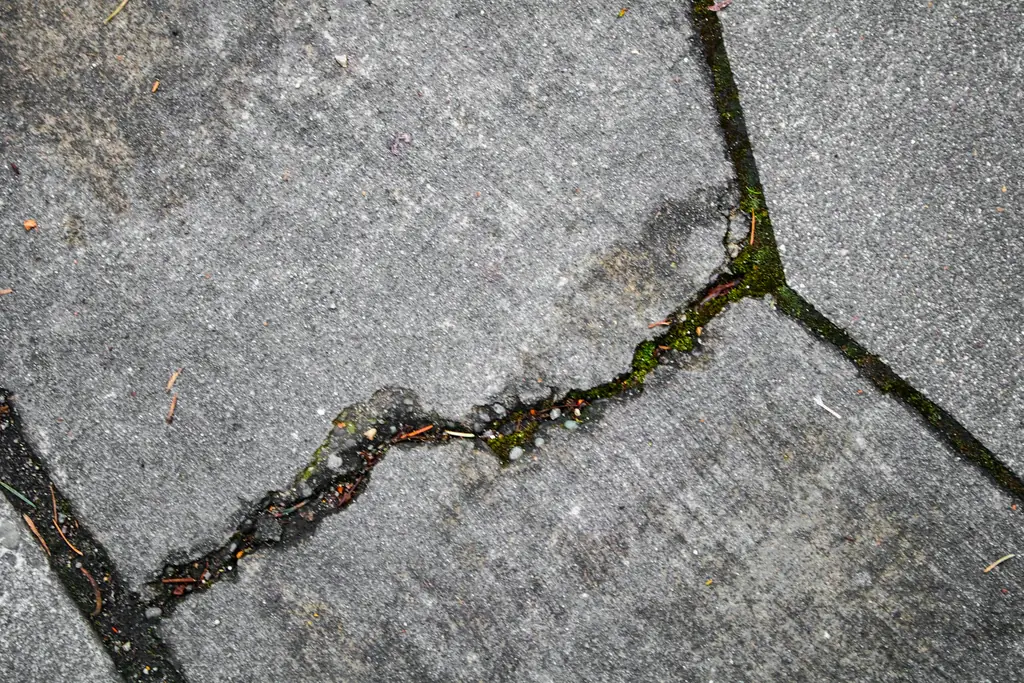
Concrete in Troy fails in a predictable way. Water soaks into the surface, freezes, expands and pops off small flakes. Road salt makes that cycle worse. NOAA's engineering weather data for Detroit City counts about 47 freeze-thaw cycles a year, and the NOAA/NCEI Detroit summary is worth a look if you want the raw numbers. The fix starts with the mix.
The Michigan Residential Code calls for a minimum of 3,500 psi concrete with 5 to 7 percent entrained air on exposed porches, steps and garage floors in a severe weathering region like ours. The Michigan Concrete Association goes a step further for residential flatwork, recommending 4,000 psi, a water-cement ratio near 0.45 and about 6.5 percent air. Those tiny air bubbles give freezing water room to expand. We order exterior mixes to that kind of spec and write the mix on the quote so you can compare apples to apples.
What a solid driveway or patio actually needs
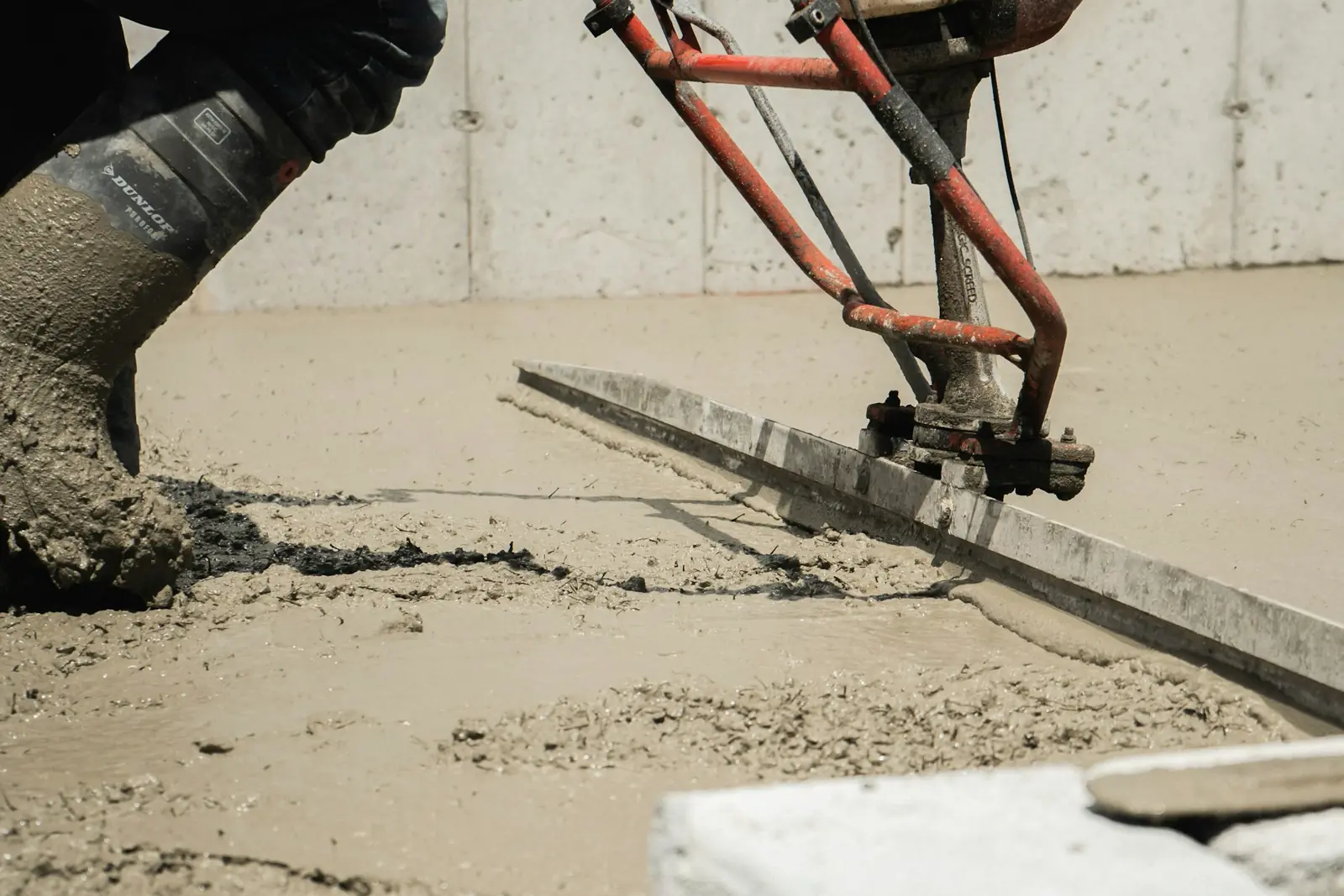
Good flatwork is mostly preparation that nobody sees once it is poured. On a typical Troy driveway replacement, this is the sequence:
- Break out and haul away the old concrete, then dig out soft or organic soil.
- Place and compact a granular base, about 4 inches on most residential jobs, more where the clay stays wet.
- Set forms for a slope of roughly 1/8 inch per foot so water runs off instead of pooling at the garage.
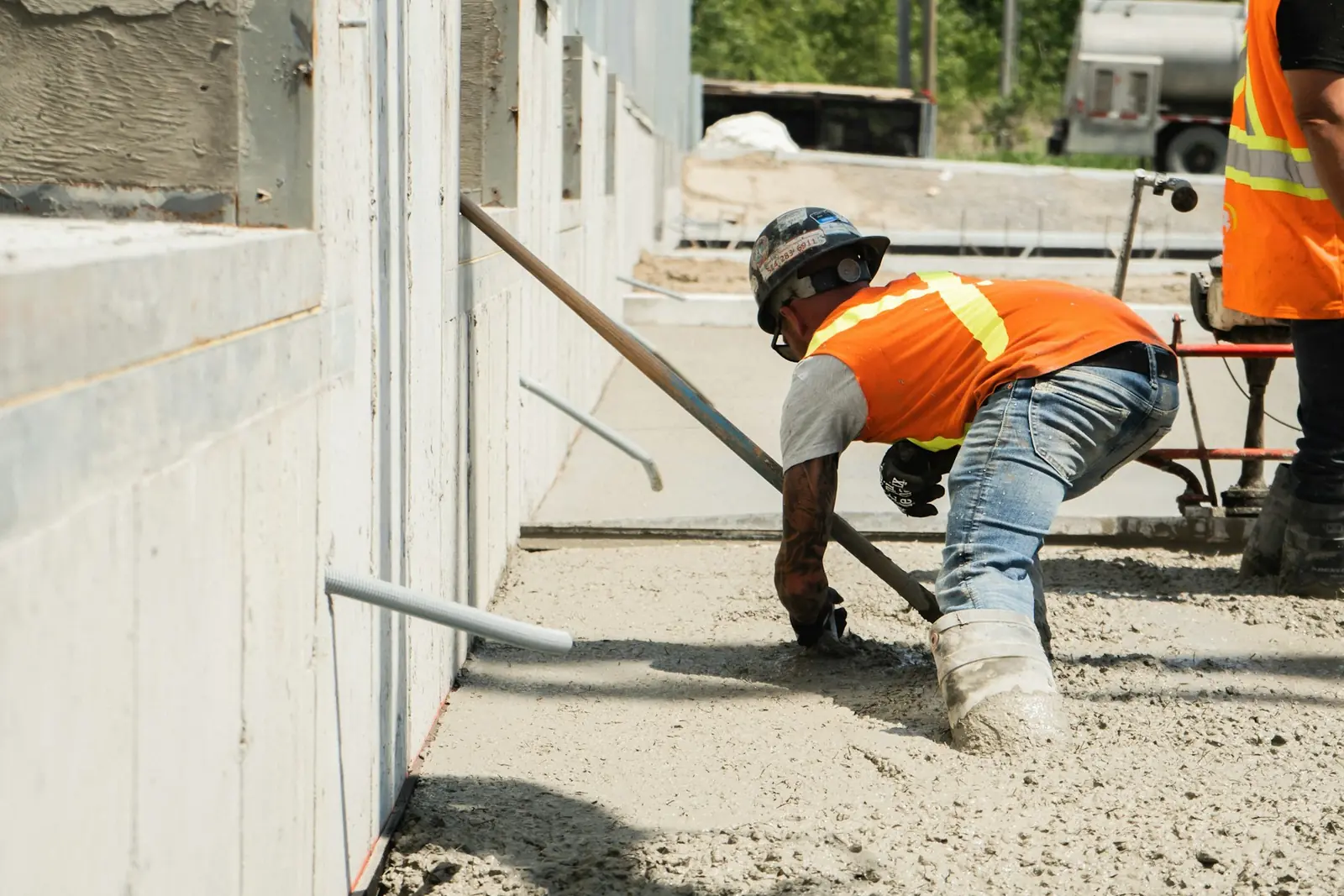
- Pour 4 inches for walks and patios and 5 inches where delivery trucks or heavy vehicles will cross.
- Cut or tool control joints at no more than about twice the slab thickness in feet, roughly 8 to 10 feet apart on a 4- to 5-inch slab.
- Finish with a broom texture for traction, cure for at least three days, and keep cars off for about a week.
We never pour on frozen ground. When fall nights drop toward freezing, we use curing blankets or reschedule rather than gamble with your slab. Our guide on when to pour concrete in Michigan explains the season in more detail.
Permits in Troy, explained up front
Most private flatwork in Troy sits inside your property line and does not need a building permit. The public sidewalk and the driveway approach in the right-of-way are different. Under Chapter 34 of the city code, that work needs a Sidewalk and Approach Permit from the City of Troy Engineering Department, with an inspection before the pour. City sidewalks are 4 inches thick, 6 inches where a driveway crosses, and approaches are 6 inches. We tell you on the first call which parts of your job need a permit, who pulls it, and how the inspection fits the schedule. Our post on the Troy sidewalk and approach permit covers the green and orange paint marks as well.
Neighborhoods and landmarks we work around
We spend a lot of time on the Big Beaver corridor, from the office towers near Somerset Collection out to the subdivisions off Long Lake, Square Lake and Wattles. Homes near Boulan Park on Crooks Road tend to have long two-car drives from the 1970s and 1980s that have reached the end of their life. Around Troy Historic Village and the civic center on Big Beaver, older ranches often need new front walks and steps more than anything else. Out by Stage Nature Center and the Rouge River side of town, drainage and heaved patios come up often.
We also work across the line in nearby cities. Popular requests include long estate driveways in Bloomfield Hills, sidewalk program notices in Royal Oak, approach rebuilds in Rochester Hills and front-yard paving questions in Sterling Heights. See every city on our service areas page.
How a project with us runs
Call or send the form with the size, the problem and your timing. We usually ask for a few photos, then visit to measure, check grade and drainage, and look for anything that changes the price, like tree roots or a soft spot under the old slab. Before any digging, utilities get marked through MISS DIG 811, which needs at least three business days' notice.
Your written quote lists the square footage, thickness, base, mix, finish, joint layout, permit responsibilities and what happens to the old concrete. Pour day is usually one day for a typical driveway, with tear-out the day before. Afterward we walk you through care for the first month, including why rock salt stays off new concrete the first winter. Our new driveway care guide has the details.
Straight answers about cost
Concrete pricing depends on square footage, tear-out, base repair, thickness, finish, access and permits. A plain broom-finish driveway and a stamped, colored patio of the same size can differ a lot. We explain what drives the price in our Troy driveway cost guide and give you a written quote after measuring. More guides are on our concrete tips blog.
Common questions
Do I need a permit to replace my driveway in Troy?
Usually not for the part on your lot. Troy does not require a building permit for flatwork inside the property line. The driveway approach and any public sidewalk in the right-of-way are different: that work needs a Sidewalk and Approach Permit from Troy Engineering and an inspection before the pour, unless the area is under 50 square feet.
How thick should a concrete driveway be in Troy?
Plan on 4 inches for a car-only driveway and 5 inches where delivery trucks, campers or heavy pickups will cross it, over about 4 inches of compacted base. The approach in the city right-of-way is 6 inches, and public sidewalks thicken to 6 inches where a driveway crosses them. Thickness alone does not prevent cracking; base and joints matter too.
What is air-entrained concrete and do I need it?
Yes, for any exterior slab in Troy. Air-entrained concrete contains billions of microscopic bubbles that give freezing water room to expand, which prevents surface scaling. Michigan's residential code requires 5 to 7 percent air for exposed steps, porches and garage floors here, and the Michigan Concrete Association recommends about 6.5 percent for driveways and walks.
How long before I can drive on new concrete?
Walk on it after a day or two and drive a passenger car on it after about seven days in mild weather. Heavy trucks should wait longer. Cool fall temperatures slow curing, so we may ask you to wait a few extra days. Keep rock salt and other deicers off the new slab for the entire first winter.
Can sunken concrete be raised instead of replaced?
Sometimes. A slab that has settled in one piece, without major cracks or a flaking surface, can often be lifted with mudjacking or polyurethane foam for much less than replacement. Slabs that are broken into several pieces, badly spalled or sitting on a washed-out base usually need to come out. We tell you which case you have.
When is concrete season in Troy?
Most residential concrete in Troy is poured from about April through November. The ground must not be frozen, and the concrete needs protection until it gains strength, so late-fall pours depend on the forecast and curing blankets. Spring books up quickly once frost leaves the ground, so calling in late winter helps you get a preferred date.